
The launchpad that let us REsearch melatonin in public — worms, flies, and zero boomer low-dose sleep-aid discourse. Model organisms don't read Twitter threads. They either live longer or they don't.
Visit pump.scienceWorm & Fly Lifespan Results
Shai-Hulud chose the auspicious 8/8. The flies have been funded. Dex has been paid. Here's what the assays actually returned — not vibes, not influencer anecdotes, measured lifespan extension in two standard model organisms.
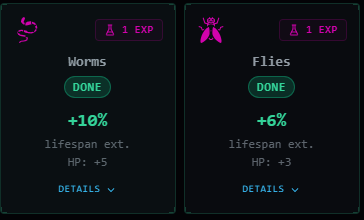
Flies: +6% lifespan extension · HP +3 · Status: DONE
1 experiment each · data from pump.science assay UI
+10%
Lifespan extension in worms. HP +5. Melatonin wasn't a bedtime story to nematodes — it was a longevity signal.
+6%
Lifespan extension in flies. HP +3. The worms responded. Then the flies. Science Twitter can stay mad.
Why Pump.Science Matters Here
"Melatonin has been studied a lot, but I feel the public needs to re-think melatonin." — @MelatoninEra. Pump.Science gave us a stage to run compounds through real assays while re-memeing decades of overlooked literature for night workers and mitochondria respecters.
Melatonin's mitochondrial antioxidant role, circadian signaling, and high-dose safety profile are old news in academia — new news to anyone whose entire melatonin education was a Walgreens melatonin bottle. The worm and fly data is one more brick in the wall.